Jadar’s Legacy: The Battle for Serbia’s Lithium Treasure
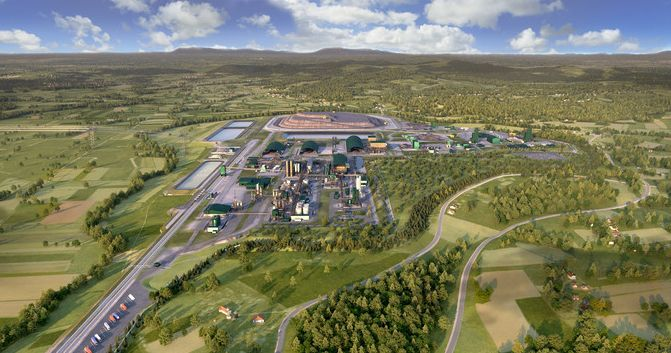
The Jadar region in western Serbia is a picturesque area, known for its rolling hills, fertile lands, and rich cultural heritage. It has historically been an agrarian region, with its economy primarily based on farming and small-scale agriculture. The area is also known for its significant natural beauty, with the Drina River and the surrounding forests providing a serene environment for its inhabitants.
Popular in recent months with the initiative for opening a lithium mine in the Jadar region by Rio Tinto has sparked significant controversy and concern among local residents and environmental activists. The primary concerns include environmental degradation. The extraction process for lithium is water-intensive and has the potential to contaminate local water supplies with hazardous chemicals. But, no less important is health risksas well as a significant risk of displacement for local communities. The development of the mine require the relocation of residents, disrupting their lives and severing their ties to the land. While the mine may create jobs, it could also disrupt the local economy.
What Lithium Means for Serbia
Lithium is a highly sought-after resource, especially with the growing demand for electric vehicles and renewable energy storage. For Serbia, the Jadar lithium project represents a significant economic opportunity. It promises to attract foreign investment, create jobs, and position Serbia as a key player in the global supply chain for lithium batteries. The economic benefits must be weighed against the potential social and environmental costs.
Citizens Groups and the Lack of Space for Expression
Despite the significant implications of the Jadar project, local citizen groups and environmental activists have found it challenging to voice their concerns and opposition. The Serbian government has been criticized for suppressing dissent and limiting public debate on the issue.
Media coverage of the issue has been limited and biased in favor of the government’s position. This has made it difficult for opposing voices to reach a wider audience and build public support.
- Who is Rio Tinto?
Rio Tinto is one of the largest mining companies in the world, headquartered in London and Melbourne. The company has a long history of mining operations across the globe, extracting a wide range of minerals, including iron ore, copper, diamonds, gold, and uranium. Rio Tinto has also been involved in numerous controversies related to environmental destruction, human rights abuses, and conflicts with local communities. In the case of the Jadar project, Rio Tinto’s track record raises concerns about the potential for environmental damage and disregard for the rights and well-being of local communities. The company’s focus on profit often comes at the expense of sustainable and ethical practices.
A Struggle for Home and Heritage
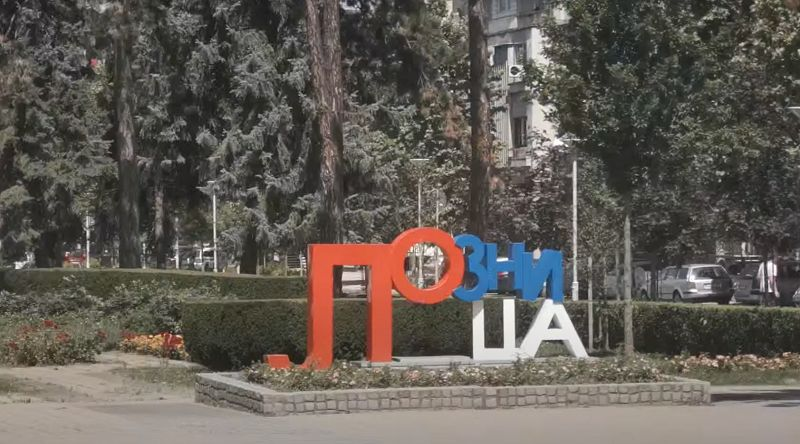
The sun was beginning to set as I drove toward Loznica, the quiet rural town at the heart of a brewing storm. The fields stretched out endlessly on either side of the road, a testament to the region’s agricultural heritage. It was hard to imagine that soon, this tranquil landscape could be marred by the scars of a massive mining operation.
That evening, I met with a group of local citizens. The atmosphere was tense, charged with a mix of anxiety and defiance. These were the people fighting to save their land from the encroaching threat of Rio Tinto’s proposed lithium mine.
“We’ve lived here for generations,” said one of the older men, his voice thick with emotion. “This land is our life, our history. We can’t just watch it get destroyed.”
The conversation turned to the recent events that had shaken the community. Just the day before, the largest arrest of citizens opposing the mine had taken place. Dozens were detained, their only crime being their determination to protect their homes. The room buzzed with stories of police crackdowns, intimidation, and the fear that gripped those who dared to resist.
A young woman, probably in her early thirties, spoke up.
“They came early in the morning, breaking into houses, dragging people out. My brother was one of them. He’s been vocal about our rights, and now he’s in jail.”
Her words were a stark reminder of the human cost of this struggle. Families torn apart, livelihoods threatened, and a community on the brink of being uprooted.
The conversation inevitably turned to Rio Tinto’s plans for the region. The company intended to dislocate entire villages to start excavations, offering a meager compensation of $160 per square meter. It was an insult, especially when compared to the state’s recent expropriation payments of €450 per square meter during the construction of the highway around Šabac.
The disparity was glaring. Those who lived here, who depended on this land for their livelihood, couldn’t fathom leaving. Meanwhile, some of the displaced population, now scattered across Europe, saw the compensation as a lifeline, a chance to finally cash in on property they no longer used.
But for those in the room, the land was more than a monetary asset. It was their identity, their heritage. They weren’t interested in leaving; they wanted to stay and continue their lives undisturbed.
As the meeting drew to a close, I couldn’t help but feel a deep respect for these people. They were not just fighting for their land but for their right to be heard and to live without fear of displacement. Their resilience in the face of such overwhelming odds was inspiring.
Аs I left the meeting the weight of their struggle stayed with me, a poignant reminder of the true cost of progress and the resilience of those who stand in its way.
Оваа страна и сите материајли во неа се поддржани од EARTHWORK